I still remember the first time I truly understood the value of a professional pedicure. I had been on my feet for twelve hours at a trade show, wearing heels that seemed comfortable in the morning but felt like instruments of torture by afternoon. My feet were swollen, aching, and covered in calluses I had ignored for months. A colleague dragged me to a salon, and within an hour, my feet felt lighter, softer, and genuinely renewed.
That experience taught me that a professional pedicure is not a luxury—it is essential maintenance for anyone who spends time on their feet.
Who Needs Professional Foot Care?
The simple answer is: almost everyone. Your feet carry you through every step of your life, and they deserve the same attention you give to your face and hands.
People who stand or walk for long periods. Healthcare workers, retail staff, teachers, and anyone who spends hours on their feet develop calluses, corns, and muscle fatigue. Regular pedicures prevent these issues from becoming painful problems. Many salon professionals note that certain professions, such as chefs, construction workers, and first responders, particularly benefit from consistent foot care due to their demanding schedules.
People with diabetes or circulation issues. For these individuals, foot care is not optional—it is a medical necessity. Poor circulation means small cuts or infections can become serious quickly. Professional pedicures, performed by trained technicians, help maintain foot health and catch problems early.
Athletes and active individuals. Runners, hikers, and gym-goers put extra stress on their feet. Regular care prevents blisters, calluses, and fungal infections, and helps feet recover faster.
People with dry, cracked heels. Dry skin is uncomfortable and can lead to painful fissures that bleed and become infected. Professional pedicures provide deep exfoliation and hydration that home care cannot match.
People who wear closed shoes regularly. Trapped moisture and heat create a breeding ground for bacteria and fungi. Regular pedicures keep feet clean and healthy.
People who simply want to feel good. There is a psychological benefit to well-groomed feet. A pedicure is a form of self-care that reduces stress, improves mood, and boosts confidence—especially during sandal season.
The Benefits of Regular Pedicures
Professional pedicures offer a range of benefits that extend beyond cosmetic appearance. Regular exfoliation and moisturising during a pedicure help prevent the buildup of thick, dry skin that can become cracked and painful. Calluses are gently removed, reducing pressure points and preventing them from becoming painful or infected. Proper nail trimming—cutting straight across—prevents ingrown toenails, a common and painful problem.
Improved circulation is another significant benefit. The foot and leg massage that accompanies most professional pedicures stimulates blood flow, delivering oxygen and nutrients to the tissues while helping flush out toxins. This can alleviate swelling, reduce pain, and promote faster healing of minor injuries. People with conditions like diabetes or peripheral artery disease often find that regular pedicures help prevent complications by improving circulation.
There is also a preventative aspect. During a pedicure, your feet are examined closely. A trained technician may notice discoloration, swelling, unusual growths, or skin changes that you might miss. This early detection is especially important for individuals with diabetes, who are at higher risk for serious foot complications. By catching issues early, regular pedicures can prevent minor problems from escalating into medical emergencies.
Beyond the physical benefits, a professional pedicure offers a sense of relaxation and self-care that is hard to replicate elsewhere. Taking time for yourself in a calm, professional environment reduces stress and improves overall well-being. And, of course, the aesthetic benefits—smooth, healthy-looking feet—boost confidence when wearing open-toed shoes, sandals, or going barefoot.
The Salon Pedicure Process: What to Expect
A professional pedicure follows a structured sequence. While details vary between salons and service types, most include the following steps.
1. Consultation and assessment. The technician examines your feet for any issues—calluses, ingrown nails, fungal infections, or other concerns—and discusses your preferences for length, shape, and polish.

2. Soaking. Your feet are placed in warm water with added salts or soaks to soften skin, relax muscles, and prepare the feet for exfoliation. Some salons use pedicure chairs with massaging jets.
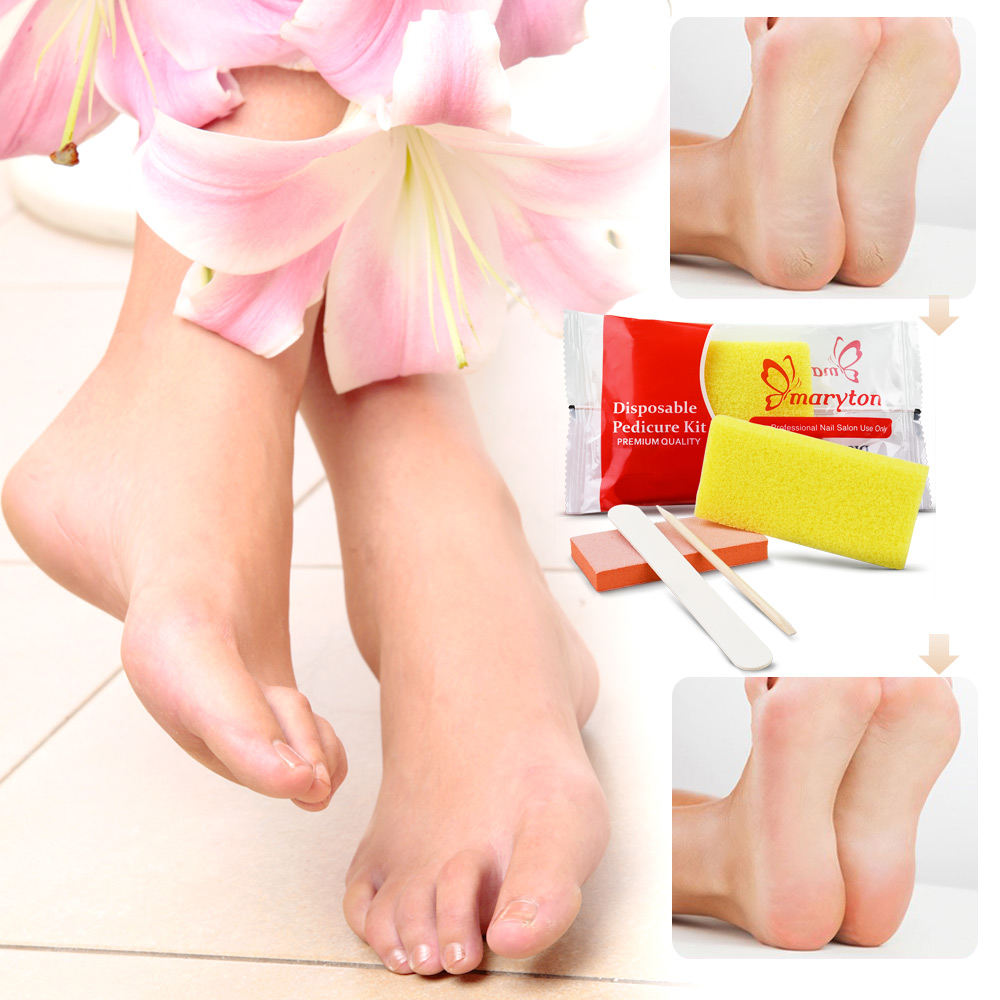
3. Exfoliation. A pedicure kit removes dead skin cells, smooths rough areas, and promotes cell renewal. Exfoliation also helps subsequent moisturising products absorb more effectively.
4. Callus removal. Using a stainless steel foot file or pumice stone, the technician gently removes calluses and thickened skin from the heels and balls of the feet. This step is done carefully to avoid damaging healthy tissue.
5. Nail care. Toenails are trimmed straight across to prevent ingrown nails and filed smooth. Cuticles are pushed back, and only loose, dead tissue is trimmed—never living cuticle, which serves as a protective seal against bacteria.
6. Hydrating mask or treatment. A moisturising mask or serum is applied to restore hydration and soften the skin. Some masks have warming properties to open the skin’s pores for better absorption.
7. Massage. A relaxing foot and leg massage improves circulation, soothes tired muscles, and reduces tension.
8. Polish application (optional). After the nails are cleansed and dehydrated, a base coat is applied, followed by one or two thin coats of polish and a glossy top coat. For longer wear, gel polish can be used and cured under a UV/LED lamp.
How Often Should You Get a Professional Pedicure?
The frequency of professional pedicures depends on your lifestyle, foot health, and personal preferences. For most people, every 4 to 6 weeks is recommended. This interval aligns with the natural growth cycle of toenails and allows enough time for dead skin to build up without becoming excessive. However, individual needs may vary. During the summer months when feet are more exposed, some people choose to have a pedicure every 3 to 4 weeks to keep feet looking fresh and presentable.
If you have specific foot concerns such as thick calluses, recurring ingrown nails, or dry, cracked heels, you may benefit from more frequent treatments—every 2 to 4 weeks—until the issue is resolved. Conversely, during colder months when feet are hidden away in boots and socks, many people can extend the interval to 6 to 8 weeks without compromising foot health.
If you have diabetes or circulation issues, your doctor may recommend more frequent visits to monitor foot health and prevent complications. A qualified salon technician can help you establish a schedule that keeps your feet healthy while fitting your lifestyle and budget.
The Bottom Line
Professional pedicures are not just about pretty toes—they are an essential part of maintaining healthy, comfortable feet. Regular care prevents painful conditions, improves circulation, and gives you the confidence to show off your feet year-round. The frequency of visits depends on your individual needs, but a consistent schedule will keep your feet in their best condition. Whether you are a healthcare worker, an athlete, or someone who simply wants to feel good, your feet deserve professional attention.